
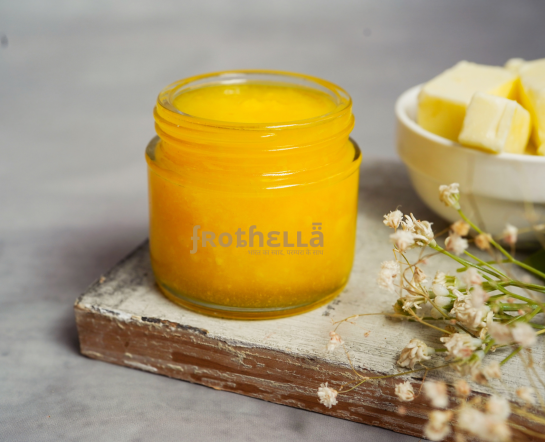
Ghee vs Butter: Which Is Healthier and Why?
When it comes to cooking fats, ghee and butter are often compared. Both are widely used in Indian and Western kitchens, but when health, digestion, and daily consumption are concerned, the difference between the two becomes important. While butter is commonly seen as a breakfast spread, ghee has been a staple in Indian households for centuries.
Let’s break down the real differences between ghee and butter and understand which one is actually healthier for everyday use.
What Is Butter?
Butter is made by churning cream derived from milk. It usually contains:
- Milk solids
- Water content
- Lactose and casein
Butter is often consumed cold or lightly heated. However, it has a low smoke point, meaning it can burn quickly when used for cooking, producing harmful compounds.
What Is A2 Gir Cow Ghee?
Ghee is clarified butter made by slowly heating butter to remove water and milk solids. A2 Gir Cow Ghee , especially when prepared using the traditional Bilona method , is far superior in quality.
It is made from curd obtained from A2 milk and gently churned, preserving nutrients, aroma, and medicinal properties. Pure ghee contains no lactose or casein, making it easier to digest.
Ghee vs Butter: Nutritional Comparison
1. Digestibility
- Butter: Contains lactose and milk proteins, which can cause bloating for some people.
- Ghee: Lactose-free and easier on the stomach.
2. Smoke Point
- Butter: Low smoke point; not ideal for Indian cooking.
- Ghee: High smoke point, safe for sautéing and frying.
3. Nutritional Value
- Butter: Contains fats but fewer fat-soluble vitamins.
- Ghee: Rich in vitamins A, D, E & K, essential for immunity and metabolism.
4. Ayurvedic Perspective
- Butter: Considered heavy and less suitable for digestion.
- Ghee: Highly valued in Ayurveda for improving digestion and energy.
Why Ghee Is a Better Choice for Indian Kitchens
Indian cooking involves higher temperatures, spices, and long cooking processes. Ghee is more stable under heat and enhances the flavour of food without breaking down into toxins.
A2 Gir Cow Ghee also:
- Improves gut health
- Supports brain and heart function
- Provides long-lasting energy
- Is suitable for kids and elders
This makes it ideal for daily meals.
Butter vs Ghee for Weight and Health
Contrary to popular belief, consuming ghee in moderation does not cause weight gain . In fact, the healthy fats in ghee help regulate metabolism and reduce unhealthy cravings.
Butter, when overconsumed, may lead to inflammation due to its lactose and casein content.
Which One Should You Choose?
If you’re looking for:
- Daily cooking fat
- Better digestion
- Traditional nutrition
- Clean, natural fat
A2 Gir Cow Ghee is the clear winner.
Butter can still be used occasionally as a spread, but ghee is a healthier and more versatile option for regular use.
Frequently Asked Questions
Is ghee healthier than butter?
Yes. Ghee is easier to digest, lactose-free, and contains essential vitamins.
Can ghee replace butter completely?
For cooking, yes. Ghee is safer and more nutritious.
Is A2 ghee suitable for daily use?
Absolutely. Consuming small amounts daily is beneficial.
Explore Pure A2 Gir Cow Ghee
If you’re planning to switch to a healthier alternative, explore our traditionally crafted A2 Gir Cow Ghee made using the Bilona method.
You can browse the complete range on our Shop page or choose from different pack sizes based on your needs.
Available options include:
- 500 ml A2 Gir Cow Ghee - ideal for first-time users
- 1 Litre A2 Gir Cow Ghee- perfect for families
- 2 Litre Family Pack
- 5 Litre Bulk Pack
Conclusion
While both ghee and butter have their place, A2 Gir Cow Ghee stands out as the healthier, more versatile, and traditional choice . Its superior digestibility, stability during cooking, and nutritional benefits make it ideal for Indian households focused on long-term wellness.
Switching from butter to ghee is a small change that can make a big difference to your health.